
Your lease is probably the biggest thing you signed this year. But there’s a smaller document that quietly protects a big chunk of your life: your renters insurance policy. At DRH Insurance, we see the same avoidable slip-ups over and over when people around the metroplex set up that coverage, or skip it altogether.
The good part is that almost every one of these problems is easy to catch before a loss happens. This guide walks through the renters insurance mistakes Dallas tenants make most often, why each one matters, and what you can actually do about it. Plain English. No jargon. No scare tactics. Just the stuff we wish every renter knew before something went wrong.
Mistake #1: Assuming Your Landlord’s Policy Covers Your Stuff
This is the misunderstanding we run into more than any other, and it’s the most expensive assumption a renter can make. Here’s the reality. Your landlord almost certainly insures the building, but that policy protects them, not you.
Landlord insurance usually covers the structure itself. Walls, roof, plumbing, foundation, plus the landlord’s own liability. It does not cover your personal property. Your couch, your bed, your TV, your laptop, your kitchen gear, your clothes, the bike in the storage closet. None of it. If a fire tears through your unit or a burst pipe soaks everything you own, the landlord’s insurer is looking out for the landlord. You’d be replacing your belongings on your own dime.
Think about what it would really cost to rebuild your life from scratch. Walk through your apartment room by room and add it up in your head. Furniture, electronics, kitchenware, clothing, bedding, small appliances. For most people the number climbs into the tens of thousands faster than they expect. That gap between what the landlord’s policy covers and what you actually own is why renters insurance exists. Closing it is one of the easiest ways to avoid the most painful of the renters insurance mistakes Dallas residents make every year.
Mistake #2: Not Carrying Renters Insurance at All
Texas does not legally require renters insurance the way it requires certain auto coverage. Because of that, plenty of DFW renters treat it as optional and skip it. Two things are worth knowing here.
First, even though the state doesn’t mandate it, plenty of landlords and property management companies across the Dallas-Fort Worth area do require it in the lease. If your lease has a renters insurance clause, going without it isn’t only risky. It can put you in breach of your rental agreement. We regularly help renters who suddenly need proof of coverage because a leasing office asked for it before move-in.
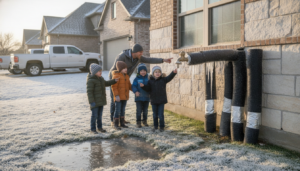
Second, and this matters more, renters insurance is worth having whether your landlord asks for it or not. North Texas weather doesn’t mess around. We get tornadoes, spring hailstorms, straight-line winds, and the kind of hard winter freezes that turn pipes into ticking time bombs. When a freeze bursts a pipe upstairs and water pours down into your unit, or when a storm rips through your block, your belongings are exposed. Renters insurance is one of the more affordable forms of coverage most households can carry. That’s a modest commitment for protection against a loss that could otherwise cost you a full apartment’s worth of belongings.
Going without coverage at all is the foundational item on any honest list of renters insurance mistakes Dallas tenants make. Everything else here assumes you at least have a policy to get right.
Mistake #3: Underestimating What Your Belongings Are Actually Worth
Once someone decides to get a policy, the next stumble is guessing low on what they own. It’s understandable. Nobody sits around tallying the replacement cost of every item they own until they have to.
The trouble is that a personal property limit set too low leaves you underinsured, and you won’t find out until you file a claim. If you pick a limit based on a quick mental guess and then lose everything in a fire, the payout can fall well short of what it takes to replace it all.
Here’s a simple exercise we recommend to every renter we work with. Go room by room and be honest with yourself:
- Living room: sofa, chairs, coffee table, TV, sound system, gaming consoles, decor.
- Bedroom: mattress and frame, dressers, nightstands, lamps, and everything in your closet.
- Kitchen: small appliances, cookware, dishes, silverware, that stand mixer you barely use.
- Office/other: laptop, monitor, desk, printer, bikes, sporting equipment, tools.
- Everywhere: clothing, shoes, linens, and the dozens of small things you never think about individually but add up fast.
Most renters are surprised when they see the total. That number, not a rough guess, should shape the coverage limit you discuss with your agent. Underestimating your belongings is one of the quietest but costliest renters insurance mistakes Dallas households make, precisely because it stays invisible until the worst possible moment.
Mistake #4: Skipping the Home Inventory
Right next to underestimating your belongings is failing to document them. Even renters who pick a solid limit often have no record of what they own, and that turns into a real headache at claim time.
Picture the aftermath of a fire or theft. You’re stressed, maybe out of your home, and now you’re being asked to list everything you lost and what it was worth. Reconstructing that from memory is close to impossible, and anything you forget is something you may not get reimbursed for.
A home inventory fixes this. It doesn’t have to be fancy:
- Video walk-through: Grab your phone, walk through every room, open closets and drawers, and narrate what you see. Takes about fifteen minutes and captures a huge amount of detail.
- Photos: Snap pictures of major items, and get close-ups of serial numbers and model tags on electronics and appliances.
- Receipts: Save receipts for big purchases as you make them, and keep them separate from the items themselves.
- Store it off-site: Save the inventory to the cloud or email it to yourself. An inventory that burns up with your apartment does you no good.
An accurate, documented inventory helps back up your claim and supports a fair payout. Skipping this step is one of the most preventable renters insurance mistakes Dallas renters make. It costs nothing but a little time, and it pays off if you ever need it.
Mistake #5: Not Understanding Policy Exclusions and Coverage Limits
A renters policy does a lot, but it isn’t a magic shield against everything. Not knowing what your policy does and doesn’t cover leads to some of the most frustrating surprises we see.
Common covered perils
Standard renters insurance generally responds to fire, smoke, theft, vandalism, and certain types of water damage such as a sudden burst pipe. For a lot of the everyday disasters renters worry about, the coverage is there.
Common exclusions
Here’s where people get caught. Standard renters policies typically exclude flood and earthquake damage. In North Texas, flooding isn’t hypothetical. Flash flooding hits parts of the metroplex during heavy storms, and rising water generally isn’t covered by a standard policy. If flood protection matters to you, it usually takes separate coverage or a specific endorsement. Worth a direct conversation with your agent so you know exactly where you stand.
Sub-limits on high-value items
Even for covered losses, many policies cap how much they’ll pay for certain categories. Jewelry, watches, fine art, collectibles, and sometimes certain electronics often carry sub-limits. So if your engagement ring, camera gear, or musical instruments are worth more than the category cap, you might get reimbursed for only a fraction of their value after a theft or loss.
The fix is usually a scheduled personal property endorsement, sometimes called a rider or floater, that specifically lists and covers those items up to their appraised value. If you own anything genuinely valuable, this is one to raise with your agent rather than assume you’re fully covered. Misunderstanding exclusions and sub-limits ranks high among renters insurance mistakes Dallas tenants make, because the coverage looks complete on the surface right up until a claim reveals the gaps.
Mistake #6: Choosing Actual Cash Value When Replacement Cost Fits Better
When you set up a policy, you’ll usually choose between two ways your belongings get valued at claim time: Actual Cash Value (ACV) or Replacement Cost (RC). Easy to overlook, and it matters.
Actual Cash Value factors in depreciation. That five-year-old television you paid a good chunk of change for is worth much less today than when you bought it, and an ACV settlement reflects that lower amount. So even after a covered loss, the check may not come close to what a comparable new unit costs.
Replacement Cost coverage is built to reimburse what it would actually cost to buy a comparable new item today, without subtracting for age and wear. When your three-year-old laptop is stolen, replacement cost coverage aims to get you a comparable new laptop instead of a depreciated fraction.
Neither option is right for everyone. There are trade-offs, and premium considerations play in. But choosing ACV without realizing what it means is a mistake, because plenty of renters assume all coverage pays out the same way. It doesn’t. Understanding the choice and deciding on purpose with your agent keeps you off the list of renters insurance mistakes Dallas residents regret after a claim.
Mistake #7: Forgetting About Personal Liability Coverage
When people think renters insurance, they think about their stuff. But one of the most useful parts of a renters policy has nothing to do with your belongings: personal liability coverage.
Liability protection can help cover legal costs and medical expenses when you’re found responsible for injuring someone or damaging their property. A few everyday examples, more common than people realize:
- A guest slips and falls in your apartment and needs medical treatment.
- Your dog bites a neighbor or a visitor.
- You accidentally leave a faucet running and water damages the unit below.
- Someone gets hurt at a small gathering you host.
Without liability coverage, you could be personally on the hook for these costs, which can climb fast once medical bills or legal fees enter the picture. That’s why we encourage renters to see a policy as more than protection for their things. Overlooking liability is a subtle but serious entry on the list of renters insurance mistakes Dallas tenants make, because it’s the part that protects your finances from claims that could otherwise follow you for years.
Mistake #8: Not Adding Roommates to the Policy
Shared living is everywhere across DFW, from young professionals splitting a downtown Dallas apartment to college roommates near the universities in Fort Worth and Denton. What many renters miss is that a policy in one person’s name generally protects only that person’s belongings and liability, not the roommate’s.
If you and a roommate share a place and only one of you has a policy, the other person’s belongings may not be covered, and the covered person’s liability protection may not extend to the roommate’s actions. When a loss hits, that gets awkward and expensive between friends.
The right move depends on your situation and your insurer’s rules, so ask directly. Should roommates go on the same policy, or should each person carry their own? Sometimes one shared policy works. Sometimes separate policies make more sense. Assuming a single policy automatically covers everyone in the unit is a common oversight, and sorting it out ahead of time avoids one of the more relationship-straining renters insurance mistakes Dallas households run into.
Mistake #9: Not Updating Your Policy After Life Changes
Your policy reflects your life at the moment you bought it. Life keeps moving, though, and a policy that fit a year ago may not fit today.
These are the kinds of changes that should prompt a quick check-in on your coverage:
- New valuables: You bought an engagement ring, upgraded to a serious camera setup, or invested in expensive gear for a hobby or side business.
- A new roommate: Someone moved in, which changes who and what is covered.
- A move: You relocated to a different apartment or neighborhood, which can change your risk profile and coverage needs.
- Major purchases: New furniture, electronics, or appliances that push the total value of your belongings past your current limit.
- A new pet: Bringing home a dog can affect liability considerations.
A policy that never gets reviewed slowly drifts out of sync with your actual life, leaving you either underinsured or paying for coverage that no longer fits. A quick annual review with your agent keeps everything lined up. Letting a policy go stale is one of those slow-burn renters insurance mistakes Dallas renters don’t notice until a claim reveals the mismatch.
Mistake #10: Misunderstanding Your Deductible
Your deductible is the amount you agree to pay out of pocket before your coverage kicks in on a claim. Simple concept, but plenty of renters set it without thinking it through, or forget what they picked.
Generally, a higher deductible means a lower premium, and a lower deductible means a higher premium. That trade-off is fine as long as you understand it. The trouble comes when someone picks a high deductible to keep costs down, then files a smaller claim only to find the deductible eats up most or all of the payout.
Ask yourself one question. If you had to cover your deductible tomorrow out of savings, could you do it comfortably? Your answer should shape the deductible you choose. There’s no single right number. It depends on your budget and your comfort with risk. But choosing blindly is where the mistake lives. Understanding your deductible before a loss, not after, keeps you clear of one of the more preventable renters insurance mistakes Dallas tenants stumble into.
Mistake #11: Waiting Too Long to File a Claim
After a loss, life gets chaotic, and it’s tempting to put off the insurance side while you handle everything else. Waiting too long to report a claim can complicate the process, though, and in some cases jeopardize it.
Most policies expect you to report losses promptly. Prompt reporting works in your favor in practical ways too. Details are fresher, evidence is easier to gather, and if you’ve been the victim of theft or vandalism, timely reporting to both the police and your insurer helps document what happened. If a pipe bursts, quick action can also limit further water damage, which matters because most policies expect you to take reasonable steps to prevent additional loss.
Simple rule of thumb. As soon as you’re safe and the immediate emergency is handled, contact your agent or insurer to start the process. Sitting on it rarely helps and can hurt. Procrastinating on a claim is an easily avoided item among renters insurance mistakes Dallas renters make in the stressful days after something goes wrong.
Mistake #12: Never Comparing Coverage Before Committing
Last one. A lot of renters grab the first policy they find, often through a quick online checkout, without really understanding what they’re buying. Price gets all the attention while the coverage details get ignored.
The cheapest policy isn’t automatically the best one, and the priciest isn’t either. What matters is coverage that actually fits your belongings, your living situation, and your risk. That means looking past the monthly cost to the details we’ve covered here. Your personal property limit, whether it’s replacement cost or actual cash value, your liability limit, your deductible, exclusions, and any sub-limits on valuables.
This is where working with a local agent pays off. Instead of guessing your way through a checkout screen, you can talk through your real situation with someone who knows the DFW area and can walk you through the trade-offs. Rushing into a policy without understanding it is the last entry on our list of renters insurance mistakes Dallas tenants make, and honestly, it’s the one that leads to most of the others.
Putting It All Together for DFW Renters
None of these mistakes are exotic. They’re the ordinary, human oversights that happen when insurance feels like one more box to check before move-in. Each one has a straightforward fix:
- Don’t lean on the landlord’s policy. It protects the building, not your belongings.
- Carry coverage even if it’s not required, because North Texas weather doesn’t ask permission.
- Add up what you actually own so your limit isn’t a guess.
- Build a home inventory and store it somewhere safe off-site.
- Know your exclusions. Flood and earthquake usually stand apart. Check sub-limits on valuables.
- Understand the difference between actual cash value and replacement cost, then choose on purpose.
- Don’t overlook liability coverage. It protects far more than your stuff.
- Get roommates squared away on coverage the right way.
- Review your policy when life changes.
- Know your deductible before you need it.
- File claims promptly.
- Understand your coverage before you commit, not after.
At DRH Insurance, we work with families, drivers, homeowners, and renters all across the Dallas-Fort Worth metroplex, and we genuinely like helping people sort out questions like these before a problem shows up. Renters coverage may be one of the smaller lines we handle, but it protects a big slice of your everyday life, and getting the details right is worth a conversation. If you’d like to talk through your own situation and figure out which options fit you best, our team is glad to walk through it with you at your own pace. No pressure, just plain answers.
Frequently asked questions
Is renters insurance required in Dallas, Texas?
Texas does not legally require renters insurance, but many landlords and property management companies across the Dallas-Fort Worth area require it as a condition of the lease. Even when it isn’t required, it protects your belongings and provides personal liability coverage, which the landlord’s policy does not.
Does my landlord’s insurance cover my belongings if I rent in DFW?
No. A landlord’s policy protects the building’s structure and the landlord’s own liability, not your personal property. Your furniture, electronics, clothing, and other belongings are only protected if you carry your own renters insurance policy.
Does renters insurance cover flooding in North Texas?
Standard renters insurance policies typically exclude flood and earthquake damage, and flash flooding is a real risk in parts of the metroplex. If flood protection matters to you, it usually takes separate coverage or a specific endorsement, which is worth discussing directly with your agent.
What is the difference between actual cash value and replacement cost on a renters policy?
Actual cash value factors in depreciation, so an older item pays out at its reduced current value. Replacement cost coverage is built to reimburse what it would cost to buy a comparable new item today, without subtracting for age and wear.
Should roommates be on the same renters insurance policy?
A policy in one person’s name generally covers only that person’s belongings and liability, not a roommate’s. Depending on your situation and your insurer’s rules, roommates may need to be listed on the same policy or carry separate ones, so it’s best to ask your agent which approach fits.
Why should I create a home inventory for renters insurance?
A home inventory documents what you own so you can back up a claim and support a fair payout after a loss. A quick video walk-through, photos of valuables and serial numbers, and saved receipts stored off-site make the claims process much smoother if something is ever stolen or destroyed.