Stand at the front desk of a Dallas-Fort Worth vet clinic holding a surgery estimate, and you’ll understand fast why so many local pet owners start looking into coverage. One emergency visit for a swallowed toy or a torn ligament can turn into a serious bill, and it tends to arrive at the worst possible moment. We field questions about this line of coverage at DRH Insurance all the time. The most common one is refreshingly simple. What actually gets paid for?
This FAQ walks through how the coverage works, what’s usually included, what’s usually left out, and the Texas-specific things DFW pet owners should keep in mind. We won’t tell you what to buy. We’ll explain it in plain English so that when you sit down with an agent, you already know what the moving parts are.
What Does Pet Insurance Cover in Dallas: The Basics First
Before we get into specific conditions and procedures, it helps to understand the shape of these policies, because they work differently from the human health insurance you’re used to. When people ask what does pet insurance cover Dallas pet owners tend to be surprised by two things. It’s usually a reimbursement model, and it’s usually not tied to a network.
Here’s what that means day to day. With most pet insurance plans, you take your pet to any licensed veterinarian in the country, you pay the bill upfront, and then you file a claim with your insurer. The insurer reviews it and reimburses you for a percentage of the eligible costs once your deductible is met. There’s no in-network or out-of-network puzzle to solve the way there is with human medical plans. If your favorite clinic is in Fort Worth and your emergency specialist is in Plano, both can generally work.
You typically shape the policy around three levers:
- Your deductible, the amount you pay out of pocket before reimbursement starts.
- Your reimbursement rate, commonly somewhere in the range of 70% to 100% of eligible costs, depending on the plan.
- Your annual payout limit, the ceiling on what the plan will reimburse in a policy year.
Premiums are usually paid monthly or annually. We’re not going to quote you numbers here. Your premium depends on your pet’s species, breed, age, and where you live in DFW, and pricing is something an agent walks through with you directly. What we can do is show you how the pieces fit together, so the quote you eventually see makes sense.
Waiting periods are part of the deal
Almost every pet insurance plan has waiting periods before coverage starts. A common setup is a short waiting period for accidents, often around two days, and a longer one for illnesses, often around two weeks. Some hereditary or orthopedic conditions can carry their own, longer waiting periods. The reason this matters: waiting periods are why buying coverage before a problem shows up is so important. If symptoms appear during the waiting period, that condition is generally treated as pre-existing and excluded. We’ll come back to this, because it’s the single most misunderstood part of this coverage.
What Does Pet Insurance Cover Dallas Pet Owners Most Often? The Included Categories
Let’s get to the heart of it. When we explain what does pet insurance cover Dallas families are usually most interested in the unexpected, expensive stuff, and that’s exactly where these plans tend to focus. Coverage varies by insurer and by the specific plan you pick, so treat this as a general map rather than a promise about any one policy.
Accidents and injuries
This is the bread and butter of most plans. Accident coverage generally applies to sudden, unexpected physical harm, such as:
- Cuts and lacerations
- Broken bones
- Swallowed foreign objects (the sock, the corn cob, the squeaker from the toy)
- Bite wounds from other animals
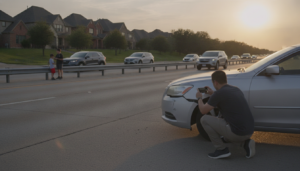
- Injuries from car accidents
In a metro area with as much traffic and as many dog parks as DFW, accidents happen often. A dog that bolts through an open gate or a cat that gets into a scuffle can generate a real bill in a hurry. This is the category most plans are built around.
Illnesses
Beyond accidents, most comprehensive plans cover a wide range of illnesses. This is often why people upgrade from an accident-only plan to a fuller one. Commonly covered conditions include:
- Arthritis
- Allergies
- Skin and ear infections
- Diabetes
- Cancer
- Glaucoma
- Hip dysplasia
- Parvovirus
- Urinary tract infections
Some of these are chronic and can require treatment over years. That’s exactly the kind of ongoing cost that’s hard to budget for out of pocket.
Diagnostic tests and procedures
Getting to a diagnosis is often where costs climb, so it matters that most plans extend coverage to the workup and the treatment, not just the office visit. That typically includes:
- X-rays and MRIs
- Bloodwork and lab tests
- Surgeries, for example a cruciate ligament tear or cataract removal
- Prescription medications tied to a covered condition
- Hospitalization
- Emergency and specialist care
Consider a hypothetical that’s a composite of situations we see. A young, active dog tears a knee ligament chasing a ball at a Grapevine park. The path from limp to recovery can run through an exam, imaging, surgery, medication, and follow-up. A comprehensive plan is designed to reimburse a portion of the eligible costs across that whole arc, subject to your deductible, reimbursement rate, and limit.
Hereditary and congenital conditions
Many policies cover conditions a pet is born with or genetically predisposed to, as long as symptoms weren’t present before coverage began. Frequently covered examples include:
- Elbow and hip dysplasia
- Glaucoma
- Epilepsy
- Luxating patella
- Cherry eye
This matters a lot for owners of breeds prone to these issues. It’s also another reason enrolling a pet while it’s young and healthy tends to keep the most doors open. There’s simply less history for anything to be flagged as pre-existing.
Dental care
Dental coverage is more variable. Some policies include coverage for dental disease and accidental dental injuries, a fractured tooth for instance, provided the problem isn’t pre-existing. Routine cleanings, on the other hand, are usually offered only as an add-on rather than being part of a standard plan. If dental health is a concern for your pet, ask specifically how a given plan handles it.
Wellness and preventative care (usually an add-on)
Here’s a point that trips people up. Routine, predictable care is generally not included in a standard plan. Instead, it’s often available as an optional wellness or preventative add-on. When it is included, that supplemental coverage can help with costs like:
- Annual exams
- Vaccinations
- Routine bloodwork
- Flea, tick, and heartworm prevention
- Microchipping
- Spaying and neutering
So when someone asks what does pet insurance cover Dallas-wide, the honest answer is this: the unexpected medical stuff by default, and the routine stuff only if you add it. Whether a wellness add-on makes sense for you depends on how you’d rather manage predictable costs. That’s a good conversation to have with an agent.
What Does Pet Insurance Cover Dallas Plans Typically Exclude?
Understanding exclusions is as important as understanding coverage, because the gap between what people assume is covered and what actually is causes most of the frustration. When we explain what does pet insurance cover Dallas customers should hear the exclusions clearly and early, before there’s a claim on the line. Here are the categories that are commonly left out.
Pre-existing conditions
This is the big one. Any illness or injury that occurred or first showed symptoms before your policy started, or during the waiting period, is generally excluded. That’s precisely why timing matters so much. If your dog was limping last month and you buy a policy today, that limp and its underlying cause are likely going to be treated as pre-existing.
There’s a nuance worth knowing. Some insurers will cover curable pre-existing conditions after a defined symptom-free period. A one-time issue that fully resolved is treated differently from a chronic one in some plans. But the rules vary a lot by insurer, so never assume. Ask.
The most useful thing we can tell a new pet owner is this: the best time to look into coverage is when your pet is young and healthy and there’s nothing to exclude. Waiting until a problem appears is the most common way people end up disappointed by what a policy will and won’t pay.
Elective and cosmetic procedures
Procedures that aren’t medically necessary are typically excluded. Common examples include ear cropping, tail docking, and declawing. If a procedure is cosmetic or elective rather than treating an actual medical problem, don’t expect a standard plan to cover it.
Routine and preventative care (without an add-on)
As we covered above, standard policies usually don’t pay for routine check-ups, vaccinations, or parasite prevention unless you’ve bought a wellness add-on. This isn’t a loophole. It’s how the base coverage is designed. Insurance is built to absorb the shocks you can’t predict, and routine care is, by definition, predictable.
Grooming and non-medical services
Haircuts, baths, nail trims, and boarding are non-medical services and are typically not covered. These are ordinary care expenses, not medical events.
Breeding, pregnancy, and reproductive costs
Expenses tied to fertility treatments, prenatal care, delivery, and breeding-related complications are commonly excluded. If you’re a breeder or planning a litter, discuss this area carefully, because standard pet insurance generally isn’t designed for it.
Food and nutritional supplements
Everyday food and over-the-counter supplements are usually excluded. Some specific policies may cover prescription diets or supplements when they’re medically necessary for a covered condition, but that’s the exception, not the rule.
Age and breed considerations
Some policies have age limits for initial enrollment, and some carry specific exclusions for certain breed-related conditions if those conditions have already appeared. This doesn’t mean older pets can’t get covered. It means the terms may differ, and it’s another reason to review the specifics with someone who can read the fine print alongside you.
Texas-Specific Considerations for DFW Pet Owners
Pet insurance is fairly standardized across the country, but living in North Texas does shape the risk picture. When we talk with local families about what does pet insurance cover Dallas-area pets against, we point to a few environmental realities of life here.
The heat
DFW summers are long and brutal. Heat-related emergencies are a genuine risk, from overexertion at the park to a pet left in a warm space too long. Emergency and hospitalization coverage, which most comprehensive plans include, is the kind of protection that matters most when the thermometer climbs.
Insects and parasites
Texas has a large insect population, and that comes with real veterinary consequences: fleas, ticks, and the mosquitoes that carry heartworm. The treatment for an illness that develops from a parasite may fall under illness coverage, while the prevention, the monthly heartworm and flea/tick products, generally lives in a wellness add-on rather than the base plan. Knowing which bucket each falls into helps you decide whether that add-on is worth it for your household.
Wildlife and the outdoors
Between snakes, coyotes, and other wildlife around the metro’s greenbelts and outer suburbs, bite wounds and injuries from animal encounters aren’t rare. Those accident scenarios are exactly what accident coverage is built to address.
Regulation and local cost variation
Pet insurance in Texas is overseen by the Texas Department of Insurance, which regulates these products for compliance with state guidelines. And because the cost of veterinary care varies by location, your specific spot in the DFW metro, along with your pet’s species, age, and breed, factors into pricing. That’s the nature of it, and it’s one more reason a real conversation beats guessing from an online calculator.
How to Read a Policy: A Practical Walk-Through
Now that you understand what does pet insurance cover Dallas plans typically include and exclude, let’s put it together into a simple way to size up any plan you’re looking at. Run through these questions:
- Is it accident-only or comprehensive? Accident-only plans cover injuries but not illnesses. Comprehensive plans cover both. Know which one you’re looking at.
- What are the waiting periods? Check the accident waiting period, the illness waiting period, and whether orthopedic or hereditary conditions have their own longer window.
- How does it handle pre-existing conditions? Ask specifically whether curable conditions can become covered after a symptom-free period, and how the insurer defines that.
- What are the three levers set to? Confirm the deductible, the reimbursement rate, and the annual payout limit, and make sure you understand how they interact.
- Are hereditary and congenital conditions included? This matters a lot for certain breeds.
- What about dental? Is dental disease covered, or only accidental dental injury? Are cleanings an add-on?
- Is a wellness add-on available, and do you want it? This determines whether routine care and parasite prevention are reimbursable.
Answer those seven questions about a plan, and you understand it well enough to make an informed decision.
A composite example to tie it together
Consider a household that’s a composite of families we work with across DFW. They have a two-year-old mixed-breed dog. Healthy, energetic, and a magnet for trouble at the local dog park. They enroll in a comprehensive plan while the dog is young, choose a mid-range deductible, a common reimbursement rate, and a reasonable annual limit. They skip the wellness add-on because they’d rather pay for routine shots and heartworm prevention out of pocket.
A year later, the dog eats something it shouldn’t on a walk and needs surgery to remove it. Because the accident happened well after the waiting period and wasn’t pre-existing, it’s an eligible claim. The family pays the clinic, submits the claim, and receives reimbursement for a portion of the eligible costs after their deductible. The routine vaccinations they paid for earlier that year aren’t reimbursed, exactly as they expected, because they didn’t carry the wellness add-on.
That’s the system working as designed. The big, unpredictable event is cushioned. The small, predictable expenses stay on the household budget. Whether that’s the right structure for you depends on your pet, your budget, and how you feel about risk. There’s no single right answer.
Common Questions We Hear About What Does Pet Insurance Cover Dallas Owners Ask
A few more points come up so often that they’re worth spelling out directly.
Can I use my own vet?
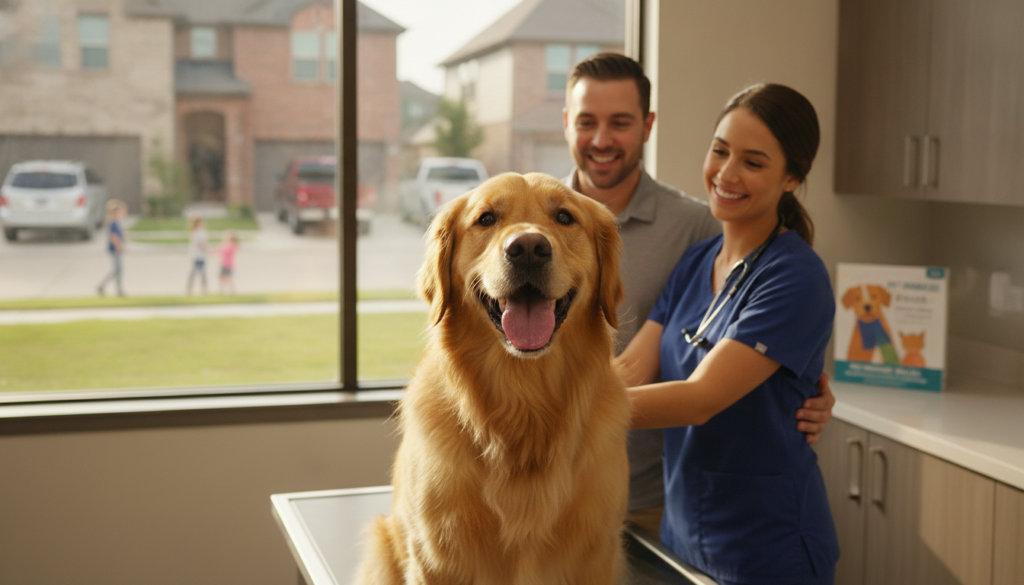
In most cases, yes. Because pet insurance generally isn’t network-based, you can typically use any licensed veterinarian in the U.S. including specialists and emergency clinics across the DFW metro. That flexibility is one of the real advantages of the model.
Does it pay the vet directly?
Usually not. The standard model is that you pay the clinic and then get reimbursed. Keep your invoices and records, because a clean, itemized bill makes the claims process smoother.
Is an older pet worth insuring?
It can be, though the terms may differ and some plans have enrollment age limits. The main limitation for older pets is that anything already diagnosed will be pre-existing. Whether a plan makes sense at that stage is a case-by-case conversation.
Cat versus dog, does it matter?
Yes. Species is one of the factors in both pricing and the conditions most relevant to your pet. Cats and dogs face different common health issues, and plans account for that. The coverage principles are the same across both, though: accidents, illnesses, exclusions, waiting periods.
Where DRH Insurance Fits In
Pet insurance is one of the friendlier lines to research on your own, because the concepts are straightforward once someone lays them out. Our goal with this FAQ was to make sure you understand what does pet insurance cover Dallas plans generally provide, where the common gaps are, and how North Texas life adds a few wrinkles worth thinking about. No scary sales pitch attached to any of this. Just information you can actually use.
Every household is different. The right deductible, reimbursement rate, limit, and the question of whether to add wellness coverage all depend on your pet, your budget, and your comfort with risk. Those are exactly the kinds of choices worth talking through rather than guessing at. If you’d like a hand comparing options and understanding the fine print for your specific situation, our team at DRH Insurance is happy to walk through it with you, at your pace, with no pressure. We’re local, we know DFW, and we’d love to help you protect the four-legged members of your family.
Frequently asked questions
What does pet insurance cover in Dallas-Fort Worth?
Most comprehensive plans cover accidents and injuries, a wide range of illnesses, and the diagnostics and treatments that go with them, such as X-rays, bloodwork, surgery, medications, and emergency care. Many plans also cover hereditary and congenital conditions if symptoms weren’t present before coverage began. Routine and preventative care is usually available only as an optional wellness add-on.
Does pet insurance cover pre-existing conditions?
Generally no. Any illness or injury that occurred or showed symptoms before your policy started, or during the waiting period, is typically excluded. Some insurers may cover certain curable pre-existing conditions after a defined symptom-free period, so it’s worth asking about the specific rules of a plan.
Can I use any vet in DFW with pet insurance?
In most cases, yes. Pet insurance usually isn’t network-based, so you can typically visit any licensed veterinarian in the U.S. including specialists and emergency clinics across Dallas-Fort Worth. You generally pay the clinic upfront and then submit a claim for reimbursement.
How does pet insurance reimbursement work?
Most plans use a reimbursement model, meaning you pay the vet bill first and then file a claim. The insurer reimburses a percentage of the eligible costs after your deductible is met, up to your annual payout limit. Keeping itemized invoices helps the claims process go smoothly.
Are there waiting periods before pet insurance starts?
Yes, nearly all plans have waiting periods before coverage begins. A common setup is a short waiting period for accidents, often around two days, and a longer one for illnesses, often around two weeks, with some orthopedic or hereditary conditions carrying their own longer windows. This is why enrolling before a problem appears matters.
Does pet insurance cover routine care like vaccines and heartworm prevention?
Standard plans usually do not cover routine or preventative care by default. Things like annual exams, vaccinations, and flea, tick, and heartworm prevention are typically available only through an optional wellness add-on. Whether that add-on makes sense depends on how you prefer to manage predictable costs.
Sources
- 10 Common Types of Exclusions in Pet Insurance
- What Is Pet Insurance & How Does It Work? A Guide for 2026 – Pawlicy Advisor
- What Is Pet Insurance and How Does It Work? – Progressive
- What Is Pet Insurance and How Does It Work? – GEICO
- What does pet insurance cover? – Liberty Mutual
- What Is Pet Insurance and How Does It Work? – Experian