If you have ever looked at your home and auto policies and wondered whether they would really be enough after a serious accident or lawsuit, that is exactly the right question to ask. At DRH Insurance, we talk with Dallas-Fort Worth families every week who have solid coverage but have never thought about what happens when a claim runs past their limits. That is the job umbrella insurance does, and it is one of the most misunderstood products in personal insurance.
This guide is written as a plain-English FAQ. We are not here to sell you anything or scare you with worst-case stories. The goal is to help you understand how the coverage works, so that when you sit down with an agent you already know what to ask. Let’s walk through it.
What Is Umbrella Insurance DFW Families Keep Asking About?
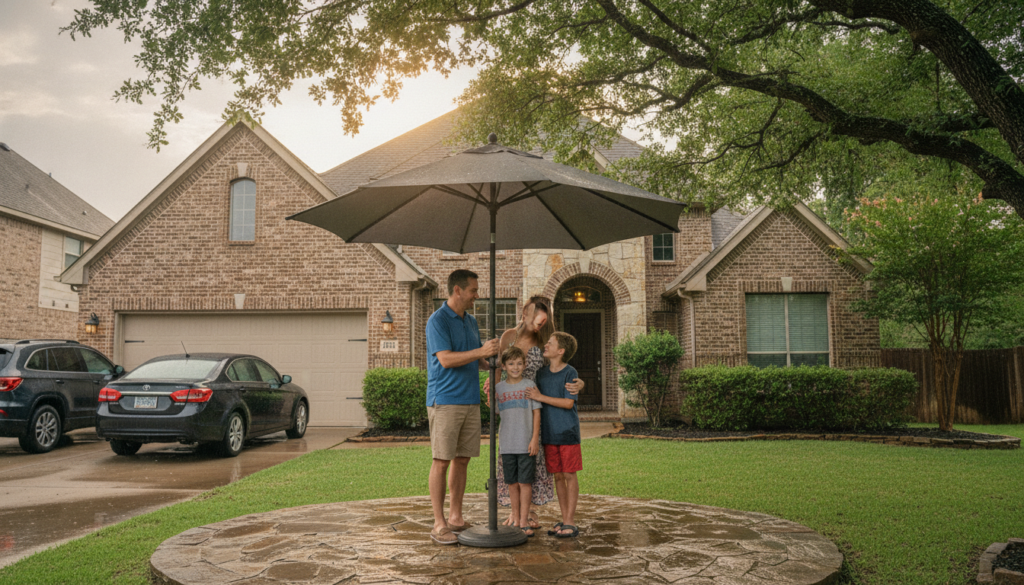
Start with the basics. Umbrella insurance, sometimes called a personal umbrella policy or PUP, is an extra layer of liability protection that sits on top of your existing home, auto, and other personal policies. Think of it as a safety net that opens once the liability coverage on your primary policies runs out.
When people ask us what is umbrella insurance DFW households actually need it for, here is the short answer. It protects your assets and your future income from large claims and lawsuits. Your primary policies handle the first layer of a covered liability claim. If the costs climb higher than those limits, your umbrella policy picks up the rest, up to the amount you selected.
Here is a simple way to picture it. Say your auto policy has a liability limit of 250,000 dollars per person for bodily injury. Now imagine you are found responsible for a serious accident, and the injured party’s costs land well beyond that. Without additional coverage, the gap between your policy limit and the total judgment could come out of your own pocket. That gap is exactly what an umbrella policy fills.
The reason so many DFW families are curious about this is simple. The metroplex has grown fast, the roads are packed, home values keep rising, and more households are building real assets worth protecting. Understanding what is umbrella insurance DFW residents should weigh has become a genuinely practical topic, and not something reserved for the wealthy.
Why it is called an umbrella
The name is intentional. Like a real umbrella that covers more than one person standing under it, this policy stretches over several of your existing policies at once. A single umbrella policy can add protection above your auto insurance, your homeowners or condo insurance, your boat policy, and more. Rather than buying a little extra liability on each individual policy, you place one broad layer over the top of everything.
What Does Umbrella Insurance Actually Cover?
An umbrella policy is liability coverage, which means it pays for harm you cause to other people or their property. It does not fix your own car or repair your own house. Get that distinction and you understand the whole product. Here are the main categories it typically covers.
Bodily injury to others
This is the big one. If you are found legally responsible for injuries to another person, umbrella insurance can help cover costs that go past your primary policy limits. That includes serious auto accidents, and also injuries that happen on your property. A slip and fall on your walkway. An incident at your pool. An accident on a trampoline. A dog bite. These situations can generate medical bills and legal claims that climb quickly.
Property damage to others
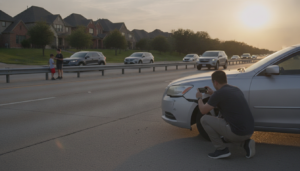
If you damage someone else’s property and the cost goes beyond what your auto or home policy will pay, umbrella coverage can step in. A common example is a multi-vehicle wreck on a busy DFW highway where several cars are involved. Repair and replacement costs across multiple vehicles add up fast and can outpace a standard auto liability limit.
Personal injury claims
Many people do not expect this one. Umbrella policies often extend to certain non-physical injuries such as libel, slander, defamation, false arrest, or wrongful eviction. Standard home and auto policies may not address these claims, and they matter more now that a comment online or a landlord dispute can turn into a legal matter.
Rental property liability
If you own a personal rental property, an umbrella policy can extend liability protection over that exposure. Plenty of DFW households own a second home or a rental unit, and each additional property is another place where someone could be injured and hold you responsible.
Legal defense costs
Here is a detail people appreciate. Umbrella policies frequently cover the cost of legal defense, including attorney fees, even when a lawsuit against you turns out to have no merit. Defending yourself against a claim can get expensive whether or not you did anything wrong, and this coverage helps with that reality.
The simplest way we explain it: your primary policies cover the everyday claims, and your umbrella covers the rare but serious event that could otherwise reach into your savings and future income.
What Umbrella Insurance Does Not Cover
Knowing the limits of any policy matters as much as knowing what it covers. When we explain what is umbrella insurance DFW families should understand, we always spend time on the exclusions so there are no surprises later.
Here is what a personal umbrella policy generally does not cover:
- Your own injuries or property. This is liability coverage for harm to others. It does not repair your car, rebuild your home, or pay your own medical bills.
- Intentional acts or criminal conduct. Damage you cause on purpose or through illegal activity is not covered.
- Business liability. If a claim comes out of your business activities, a personal umbrella will not respond. Businesses need a separate commercial umbrella policy, which is a different product.
- Professional errors or omissions. Mistakes made in a professional capacity, such as advice you give as part of a profession, fall under professional liability coverage, not a personal umbrella.
- Fire or flood damage to your own property. Those events are handled by your homeowners policy and, for flood, a separate flood policy.
We point these out not to discourage you, but because a clear picture helps you make a confident decision. An umbrella is powerful for what it does, and knowing its boundaries lets you round out the rest of your coverage in the right places.
Who Needs Umbrella Insurance in the DFW Area?
This is probably the question we hear most. There is a common myth that umbrella insurance is only for millionaires. In reality, plenty of everyday DFW families benefit from it. The point is not only protecting what you have today. It is also about protecting your future income. A large judgment can be collected against your wages for years, which matters even if your current savings are modest.
Here are the situations where umbrella coverage tends to come up in our conversations.
You have assets or savings worth protecting
In Texas, your primary residence gets some protection through the homestead exemption. Other assets are generally exposed to liability judgments. That can include savings accounts, investment accounts, additional vehicles, rental properties, and future income. If you have been building any of these, an umbrella policy is one way to help shield them.
Your home has features that increase risk
Certain features raise the odds of a liability claim. Swimming pools are common across DFW neighborhoods, and a serious pool injury can generate medical costs alone in the range of 75,000 to 300,000 dollars, with some verdicts going much higher. Trampolines, playsets, and certain dog breeds add exposure too. Dog bite claims average around 64,000 dollars and can top 250,000 dollars. None of this means you should get rid of your pool or your dog. It just means these are worth a conversation about liability limits.
You drive DFW roads, especially with teen drivers
The metroplex is one of the busiest driving regions in the country. Long commutes on packed highways and a high volume of vehicles mean serious accidents happen. If you have a teen driver in the household, your liability exposure goes up simply because there are more miles and more risk on the road. A single serious accident can produce claims that exceed standard auto liability limits, and that is exactly the scenario an umbrella policy is built for.
You own a boat, ATV, or rental property
Recreational vehicles like boats and ATVs, along with rental properties, each add another layer of liability. More toys and more properties mean more situations where someone could be hurt and hold you responsible. When we help families sort out what is umbrella insurance DFW households should consider, these extra exposures often tip the scales toward a closer look.
A composite example
To make this concrete, here is a hypothetical, a composite of families we work with rather than a specific real client. Picture a couple in the northern suburbs with two vehicles, a teenage driver, a backyard pool, and a friendly golden retriever. They both work, have been saving steadily, and own their home. On its own, none of these things feels risky. Together, they create several places where a serious liability claim could come from. For a household like this, an umbrella policy is often part of the conversation, because a single bad event could reach past their home and auto limits and into their savings.
How Does Umbrella Insurance Work With Your Existing Policies?
One of the most reassuring things to understand about umbrella insurance is that it does not replace anything you already have. It builds on top of your current coverage. Your home, condo, renters, and auto policies stay right where they are, and the umbrella sits above them.
Here is the order of operations for a covered claim:
- First, your primary policy pays out up to its liability limit.
- Then, if the total covered cost is higher than that limit, your umbrella policy activates.
- The umbrella covers the remaining amount, up to the limit you selected for the umbrella itself.
Because the umbrella only works alongside solid underlying coverage, most carriers require you to carry certain minimum liability limits on your home and auto before they will issue one. Common underlying requirements include at least 250,000 dollars per person and 500,000 dollars per accident for bodily injury on auto, along with 100,000 dollars for property damage, plus at least 300,000 dollars in personal liability on homeowners insurance. These are typical figures, and the exact requirements depend on the carrier and your situation.
This structure is actually good news. It means the whole system is coordinated. Your primary policies handle the frequent, smaller claims, and the umbrella is reserved for the rare, large event. When we review what is umbrella insurance DFW families are considering, we always look at the underlying policies first to make sure everything lines up and the layers work together the way they should.
A quick walkthrough
Say you carry an umbrella policy with a 1 million dollar limit, and you have a covered auto claim where you are found responsible for 750,000 dollars in damages. If your auto liability limit is 250,000 dollars per person, that policy pays its portion first. The umbrella then responds to the remaining amount, up to its 1 million dollar limit. Without the umbrella, that gap would have been your responsibility. That is the mechanic at the heart of the product.
What Is Umbrella Insurance DFW Coverage Going to Cost?
We cannot quote specific prices in an article, and honestly, no one can give you an accurate number without looking at your full picture. What we can tell you is that umbrella insurance is generally one of the more affordable ways to add a large amount of liability protection. You are typically buying coverage measured in the millions, and it usually costs a small fraction of what your underlying policies cost.
Several factors influence the price of an umbrella policy, including:
- The limits and structure of your underlying home and auto policies.
- The number of vehicles and drivers in your household.
- Whether you have teen drivers.
- Specific risk features like pools, trampolines, or certain dog breeds.
- Additional properties, boats, or ATVs.
As a rule, adding higher layers of umbrella coverage costs less per million than the first million. The second and third million of coverage are usually far cheaper than the first, because the odds of a claim reaching those higher levels are lower. That is why some families choose a higher limit than they first expected once they see how the pricing tiers work.
The right way to figure out your number is to sit down with an agent, look at your assets and exposures, and get a personalized quote. When people ask us what is umbrella insurance DFW pricing looks like for their household, the honest answer is that it depends, and it is worth a short conversation to find out.
How to Decide If Umbrella Coverage Fits Your Household
Since we cannot tell you what to buy, let’s talk about how to think it through so you can make a confident decision with your agent. These are the kinds of questions we walk through with DFW families.
Add up what you would want to protect
Take a mental inventory of your assets and your future income. Look at savings, investments, additional vehicles, and any property beyond your primary home. Then think about your future earnings, because a judgment can be collected over time. That gives you a rough sense of how much is potentially at stake.
List your exposures
Write down the things that raise your liability. Do you have a pool? A trampoline? A dog? Teen drivers? A long commute? A boat or an ATV? A rental property? Each item on that list is a place where a claim could start. The more items you have, the more relevant an umbrella conversation becomes.
Look at your current liability limits
Pull out your auto and home declarations pages and find your liability limits. A lot of people are surprised to learn their limits are lower than they assumed. Understanding where your current coverage tops out is the starting point for deciding whether an extra layer makes sense.
Talk through the gap
The core question is simple. If a serious claim went past your current limits, would you be comfortable covering the difference? If the answer makes you uneasy, that is a strong signal that exploring an umbrella policy is worthwhile. When families ask us what is umbrella insurance DFW households really need, this gap question is usually where the clarity comes from.
Common Myths About Umbrella Insurance
Let’s clear up a few misconceptions we hear regularly. Sorting these out helps you approach the topic with a level head.
Myth: it is only for the wealthy
As we covered earlier, umbrella coverage protects future income, not only current assets. A large judgment can follow you for years, which means everyday earners have something real to protect. This is one of the most stubborn myths, and it keeps a lot of families from even asking the question.
Myth: my home and auto already cover everything
Your primary policies are essential, but they have ceilings. Once a claim reaches those ceilings, the coverage stops. That space above the limits is the whole reason umbrella insurance exists. Assuming your existing policies handle everything is common and understandable, but it is worth double-checking your actual numbers.
Myth: I will never face a big claim
We hope you never do. Insurance, though, is about preparing for the rare event, not the likely one. A single serious auto accident, pool injury, or dog bite can generate costs that most families would struggle to absorb out of pocket. Umbrella coverage exists precisely because these events, while uncommon, are severe when they happen.
Myth: umbrella coverage is complicated to set up
In practice, adding an umbrella policy is often straightforward, especially when your home and auto are already with a carrier that offers it. Because the umbrella coordinates with your existing policies, an agent can usually review your current setup and explain your options fairly quickly. When we help families understand what is umbrella insurance DFW residents are curious about, the process is usually simpler than they expected.
Putting It All Together
Let’s bring the pieces together. Umbrella insurance is an extra layer of liability protection that sits above your home, auto, and other personal policies. It covers bodily injury and property damage to others, certain personal injury claims like libel and slander, rental property liability, and legal defense costs. It does not cover your own property, intentional acts, business activities, or fire and flood damage to your home.
It tends to matter most for DFW families with assets or future income to protect, homes with features like pools or certain dog breeds, busy drivers and teen drivers, and extra exposures like boats, ATVs, or rental properties. It works by paying out after your primary policy limits are exhausted, and most carriers require solid underlying liability limits before issuing it. It is generally seen as an affordable way to add a large amount of protection, with higher layers usually costing less per million.
Throughout this guide we have focused on helping you understand what is umbrella insurance DFW families should think through, rather than telling you what to do. Every household is different, and the right answer depends on your assets, your exposures, and your comfort level. There is no one-size-fits-all recommendation, and any specific choice belongs in a conversation with an agent who can look at your full picture.
If you have read this far, you already understand more about umbrella coverage than most people ever will. When you are ready, our team at DRH Insurance is happy to sit down with you, review your current home and auto policies, walk through your exposures, and talk through your options at your own pace. No pressure, no obligation, just a straightforward conversation to help you decide what makes sense for your family here in Dallas-Fort Worth.
Frequently asked questions
What is umbrella insurance and how does it work in DFW?
Umbrella insurance is an extra layer of liability protection that sits above your home, auto, and other personal policies. It activates after your primary policy limits are exhausted and covers the remaining costs up to the umbrella limit you select. For DFW families, it helps protect savings and future income from large claims and lawsuits.
Do I really need umbrella insurance if I already have home and auto coverage?
Your home and auto policies have liability limits, and once a claim reaches those limits the coverage stops. Umbrella insurance is built to cover the gap above those limits, which is where a serious claim could otherwise reach into your assets. Whether it fits your household depends on your assets, exposures, and comfort level, so it is worth reviewing with an agent.
What does umbrella insurance not cover?
A personal umbrella policy does not cover your own injuries or property, intentional or criminal acts, business activities, or professional errors. It also does not cover fire or flood damage to your own home, since those fall under homeowners and flood policies. It is strictly liability coverage for harm you cause to others.
How much liability do I need on my home and auto before getting an umbrella policy?
Most carriers require certain minimum underlying limits before issuing an umbrella policy. Common requirements include at least 250,000/500,000/100,000 on auto and 300,000 dollars in personal liability on homeowners insurance. The exact requirements vary by carrier, so an agent can confirm what applies to your situation.
Is umbrella insurance expensive for a DFW family?
Umbrella insurance is generally seen as an affordable way to add a large amount of liability protection, and additional layers of coverage usually cost less per million than the first. Actual cost depends on your underlying policies, drivers, and risk factors like pools or teen drivers. The best way to get an accurate figure is a personalized quote from a local agent.
Can umbrella insurance cover a dog bite or pool injury at my home?
Yes, if you are found liable, umbrella coverage can help with bodily injury claims like dog bites or pool injuries once your homeowners liability limit is exhausted. These claims can be significant, with dog bite claims averaging around 64,000 dollars and serious pool injuries reaching much higher. It is a common reason DFW families with pools or dogs explore umbrella coverage.